

How to Build an Off-Grid Home with a Low Credit Score: Financing Tips for Beginners
Building an off-grid home is the dream of many aspiring eco-enthusiasts and independence-seekers, but if you have a low credit score, you might think that dream is a distant fantasy. Let’s bust that myth right out of the gate—having a less-than-perfect credit score doesn’t mean you have to abandon your off-grid goals. In fact, with the right knowledge and a dash of creativity, a low credit score does not automatically rule out every route, but financing depends on affordability, lender criteria, the property and the structure of the project. This guide is here to show you exactly how to do it, step by step.
Living off the grid isn’t just about cutting ties with energy companies or growing your own vegetables; it’s about freedom, self-sufficiency, and embracing a sustainable way of life. And while we often associate financial freedom with stellar credit scores, the reality is that the options available to someone with a weaker credit history vary substantially by lender, affordability, property and personal circumstances. Some households may qualify for specific home-improvement support, while borrowing remains subject to lender checks. Treat grants and finance as possibilities to verify, not as assumed funding for an off-grid build.
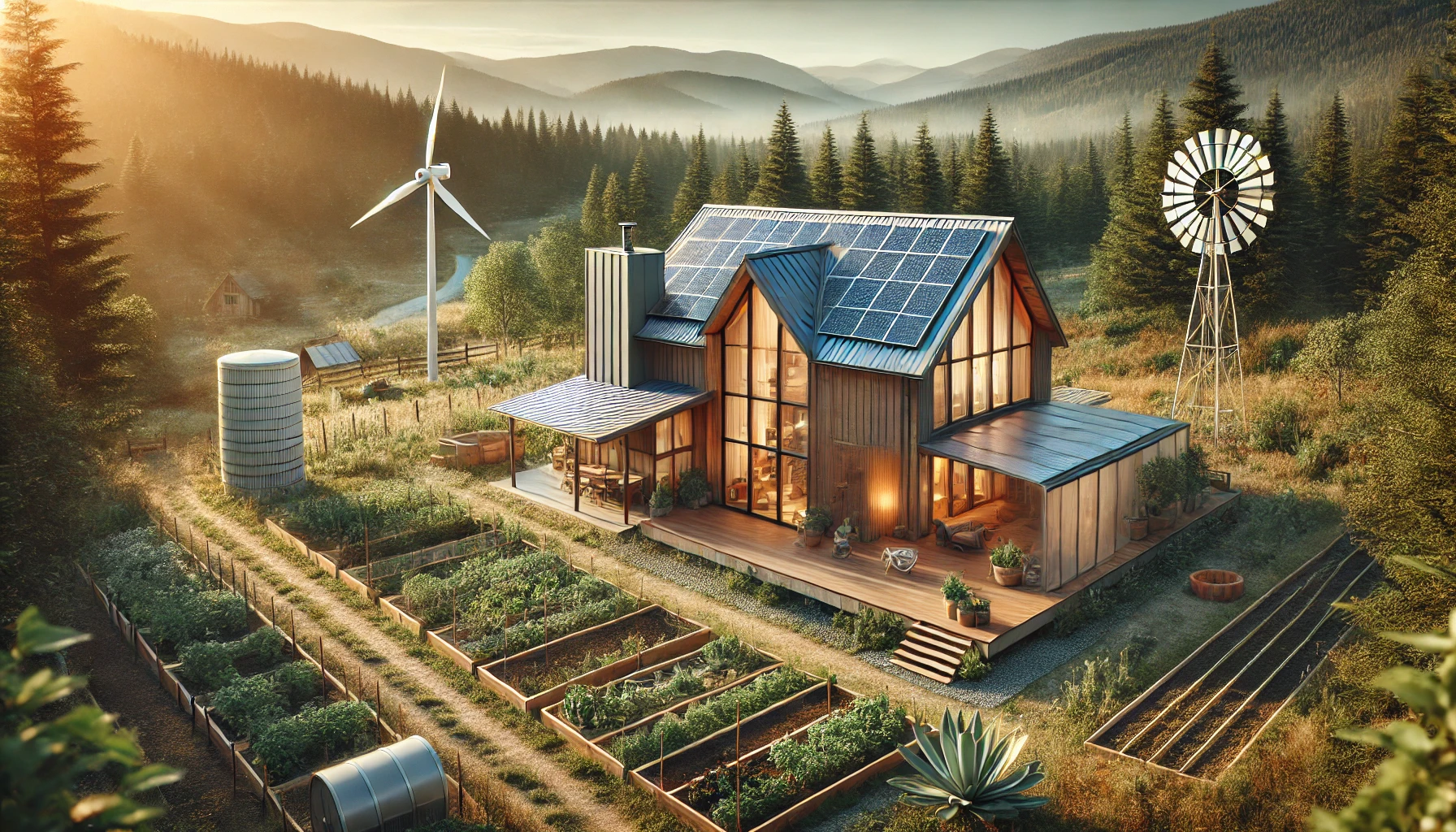
So, whether you’re itching to install solar panels or plant the seeds for your very own organic garden, don’t let a low credit score stop you from pursuing your off-grid dream. Instead, think of it as just one more hurdle to overcome, a bump in the road on your way to freedom. Because with the right strategies, you can still secure financing, acquire affordable land, and build the off-grid home you’ve always envisioned. Ready to dive in? Let’s start with understanding the challenges—and, more importantly, the solutions—of financing your off-grid home when your credit score isn’t where you’d like it to be.
Understanding the Challenges: Building an Off-Grid Home with a Low Credit Score
Embarking on the journey to build an off-grid home with a low credit score can feel like trying to climb a mountain in flip-flops—challenging, yes, but not impossible. Before diving into financing tips, it’s crucial to grasp the reality of what you’re up against. Spoiler alert: understanding these challenges will not only help you better navigate the financing landscape but also empower you to overcome them. Let’s break it down.
The Impact of Low Credit on Financing Your Off-Grid Dream
Lenders assess affordability and risk using your credit report alongside their own criteria. There is no single UK credit-score cutoff that determines whether you can borrow: different credit reference agencies use different scoring scales, and lenders make their own decisions. A weaker credit history can reduce the products available to you or make borrowing more expensive, but a headline score alone does not determine the outcome.
Now, when it comes to building an off-grid home, you’re not just asking for a standard mortgage. You’re stepping into the world of alternative living, where financial products might already be less understood by conventional lenders. Combining low credit with the non-traditional nature of off-grid living can make securing financing feel like trying to sell solar panels to the rain gods. But don’t be discouraged—there are more options than you might think.
Why Low Credit Doesn’t Mean No Options
The good news? While a low credit score can put traditional financing options out of reach, it doesn’t mean you have to abandon your off-grid dream. Low credit simply requires more creative and strategic thinking. There are numerous paths to explore that bypass the rigid world of traditional banks. Possible routes can include regulated lenders, credit unions and eligible home-improvement schemes, but each has its own affordability, eligibility and property requirements.
In fact, a weaker credit history can make it useful to compare regulated options carefully, including credit unions where eligible, while also considering whether a smaller scope or more self-funding would reduce borrowing needs. These options, although unconventional, align perfectly with the off-grid mindset—resourceful, eco-conscious, and independent. Understanding these financing alternatives is key to moving forward without letting your credit score weigh you down.
The challenges of financing an off-grid home with a low credit score might seem daunting at first glance, but remember: off-grid living is all about defying convention. Why should financing be any different? Now that you’ve got a handle on the obstacles, it’s time to explore the solutions that can help you turn your off-grid dream into a reality.
Smart Financing Strategies for Building an Off-Grid Home with a Low Credit Score
Securing financing for your off-grid home with a low credit score doesn’t have to feel like solving an impossible puzzle. In fact, low credit can open doors to creative, alternative financing options that fit right in with the independent spirit of off-grid living. The trick is knowing where to look and how to leverage these strategies. Let’s dive into some smart financing approaches that can turn your off-grid dream into a reality—even if your credit score isn’t picture-perfect.
Government Grants and Loans: Can You Get Help?
One of the first places to start your financing journey is with government grants and loans. In the UK, there are various initiatives aimed at promoting sustainability, energy efficiency, and eco-friendly living. These programs are often designed to support individuals looking to build homes that minimize environmental impact—off-grid living is right up that alley.
Check current schemes rather than assuming that an off-grid build qualifies for a grant or government-backed loan. Support for energy efficiency and low-carbon heating often applies to eligible existing homes and households, with location, income, property and technology requirements. Treat any grant as potential help only after confirming the live eligibility rules; do not rely on it to make an otherwise unaffordable build viable.
Peer-to-Peer Lending: A Community-Driven Approach
Peer-to-peer lending exists in the UK, but do not assume older platform recommendations are still available to retail borrowers or investors. The market has changed substantially: for example, Zopa closed its P2P investing business and Funding Circle permanently closed its retail lending platform to new investment. If considering any alternative lender or loan-based crowdfunding service, check its current status and permissions on the FCA Register, compare the total cost of borrowing, and do not assume it will accept a weak credit history.
Credit Unions: An Alternative to Traditional Banks
Credit unions are another smart option for low-credit borrowers. Unlike big banks, credit unions are member-owned and often have a mission focused on helping their community, which includes those with low credit scores. They tend to offer more personalized service and may be more open to working with you to secure a loan for your off-grid home.
Credit unions can be worth checking if you meet their membership rules, but rates, affordability checks, loan purposes and acceptance criteria vary. Ask a regulated credit union what it currently offers and compare the total cost and terms with other suitable borrowing; do not assume it will finance land, a self-build or an off-grid property.
Creative Financing Options: Vendor Financing and Bartering
Now, let’s get a bit unconventional—because off-grid living isn’t exactly about following the crowd, right? Vendor financing and bartering are two options that allow you to sidestep traditional credit-based loans entirely.
Vendor financing involves making arrangements directly with the seller of the land or materials. For instance, a landowner might agree to let you make payments over time, without involving a bank at all. This could be a game-changer if you’re struggling to get a traditional loan approved. Bartering, on the other hand, involves trading goods or services for what you need. Have a particular skill or product you can offer in exchange for building materials or labor? Any private arrangement needs clear written terms and appropriate legal and financial checks; do not treat informal vendor finance or barter as automatically cheaper, safer or easier to obtain.
Savings and Budgeting Tips: Build Your Own Financial Cushion
Last but certainly not least, self-financing is one of the most empowering ways to fund your off-grid home—especially if your credit score limits your loan options. Start by creating a strict budgeting plan and sticking to it. Every pound you save gets you one step closer to your off-grid haven.
Look for ways to cut down on non-essential expenses and consider taking on side gigs or freelance work to boost your savings. Additionally, prioritize building an emergency fund that can cover any unexpected costs during the construction process. With a solid savings plan, you can reduce your reliance on external financing, or at the very least, show potential lenders that you’re serious about managing your finances—even if your credit score doesn’t currently reflect that.
Government energy support changes over time and is usually tied to an existing eligible property, household circumstances and specific improvements rather than funding a new off-grid build. Check current GOV.UK energy-support and home-improvement schemes for your nation and circumstances before including any grant in your budget.
How to Improve Your Credit While Planning Your Off-Grid Home
Building an off-grid home might be the goal, but let’s not forget about one important piece of the puzzle: improving your credit score while you plan. After all, even in the world of alternative financing, a better credit score can unlock more favorable options and save you a heap of cash on interest rates. And guess what? Boosting your credit doesn’t have to take years—it’s all about being strategic with your efforts. Here’s how to improve your credit score while still focusing on your off-grid dream.
Quick Wins to Boost Your Credit Score Before Applying for Loans
We all love a quick win, and your credit score is no exception. Before diving headfirst into financing your off-grid home, there are practical steps that may improve your credit profile over time, although there is no guaranteed or instant score increase:
1. Pay Down Small Debts: If you’ve got smaller debts hanging over you, paying them off can quickly boost your credit score. Focus on high-interest debt first (looking at you, credit cards) or any accounts nearing their limit, as this can have a big impact on your credit utilization ratio—a key factor in your score.
2. Dispute Credit Report Errors: You’d be surprised how common mistakes are on credit reports. Whether it’s a missed payment you didn’t actually miss or an account that isn’t even yours, these errors can drag your score down unfairly. Get a copy of your credit report, scour it for mistakes, and dispute anything that looks off.
3. Make Payments On Time—Every Time: This one seems obvious, but it bears repeating: timely payments are essential. Even if you’re just paying minimums on your existing debts, the consistency can help boost your score quickly.
Credit-file changes and lender decisions do not follow a guaranteed timetable, so check your reports for accuracy and focus on sustainable repayment and affordability rather than a target score date.
Long-Term Credit Repair: Building a Stronger Financial Foundation
While quick fixes are great, long-term credit repair will set you up for future success—both in securing financing for your off-grid home and in maintaining financial stability once you’re living your sustainable dream. Here’s how to approach it:
1. Settle Larger Debts Gradually: If you’re carrying larger debts, create a structured plan to pay them down. Even making a bit more than the minimum payment each month will start chipping away at your debt and boost your credit score over time. It’s a marathon, not a sprint—but the sooner you start, the better.
2. Diversify Your Credit Mix: Lenders like to see that you can handle different types of credit—so if you’re only dealing with credit card debt, consider diversifying. Installment loans, like small personal loans or secured loans, can demonstrate that you can responsibly manage multiple types of credit.
3. Review Old Accounts Rather Than Keeping Them Automatically: Account age can form part of credit-scoring models, but keeping unused credit open is not always the right choice. Consider fees, fraud exposure, available credit and your own spending habits, and make the decision based on your wider finances rather than a score alone.
4. Limit New Credit Applications: While you’re in credit-repair mode, it’s important to resist the urge to apply for a bunch of new credit lines. Each time you apply for credit, it triggers a hard inquiry on your credit report, which can ding your score temporarily. Focus on improving your existing credit rather than taking on new obligations.
Credit-Building Products: Check the Cost and Your Credit File
Products marketed for credit building vary, and taking on new borrowing is not automatically beneficial. Before applying, check your credit reports for errors, compare fees and interest, confirm how the provider reports payments to UK credit reference agencies, and make sure repayments are affordable. Avoid applying for credit solely to chase a score increase.
Credit-builder products: Some products combine regular payments with savings or credit reporting, but structures, fees and eligibility vary. They are not risk-free and cannot guarantee a particular score increase. Compare the total cost and terms with simpler alternatives such as building savings and paying existing commitments on time.
Improving your credit while planning your off-grid home build is a balancing act. But with a few strategic moves, you can set yourself up for better financing options and a more solid financial future—even if you’re living in the middle of nowhere, happily off the grid.
If you’re looking to secure land as part of your off-grid journey, check out Free Land for Off-Grid Living UK: What’s Actually Realistic? to explore options that fit within your budget.
Choosing the Right Financing for Your Off-Grid Home
Securing the right financing for your off-grid home is like picking the perfect set of tools for a DIY project—you need the right mix to get the job done efficiently and affordably. With a low credit score, this choice becomes even more critical, but don’t worry. The financing options available to you may surprise you with their flexibility and adaptability to your unique off-grid ambitions. Here’s how to make sure you pick the best financing option for your off-grid home, no matter what your credit score looks like.
Balancing Interest Rates and Repayment Terms
When it comes to financing, the devil is in the details—specifically, the interest rates and repayment terms. For those with a low credit score, finding the best deal can be tricky. Banks and traditional lenders often offer higher interest rates to low-credit borrowers to offset their risk, so it’s crucial to shop around and compare offers before committing.
1. Understanding Interest Rates: The higher your interest rate, the more you’ll end up paying over time, so getting the lowest rate possible should be a priority. Compare regulated borrowing options on their actual total cost, eligibility, security and repayment terms; do not assume a government-supported product or credit union will accept a particular applicant or off-grid project. If your credit score means you’re stuck with higher interest rates, consider short-term financing options to minimize how much extra you’ll pay over the life of the loan.
2. Repayment Terms Matter: Loan repayment terms vary, and you’ll want to find the sweet spot between affordable monthly payments and minimizing interest over the loan term. While longer repayment terms might offer lower monthly payments, they’ll also rack up more interest in the long run. If you can swing it, opting for a shorter loan term could save you serious cash.
Securing Your Loan: What Lenders Need to Know
Lenders, whether traditional or alternative, like to see a few key things before they hand over the cash for your off-grid build. Understanding a lender’s published criteria can help you prepare an accurate application, but it does not guarantee or predict approval.
1. Solid Documentation: Lenders want to see that you’ve got your financial ducks in a row. This means showing proof of income, a solid employment history, and any assets you might have. Providing detailed plans for your off-grid home, including projected costs and timelines, can also demonstrate that you’re serious and organized.
2. Down Payment: The bigger the down payment, the less risk for the lender. If you can save up a significant down payment, it not only lowers the amount you need to borrow, but it might also help you secure a better interest rate. Even a small bump in your down payment percentage can work wonders for your loan application.
Alternative Financing Options for Off-Grid Living
Traditional bank loans aren’t the only game in town, especially if your credit score is on the low side. Alternative financing options can offer more flexibility and, in many cases, are designed with people like you—who have unconventional goals and possibly non-traditional credit histories—in mind.
1. Green Energy Loans: Some lenders offer finance for specific home-energy improvements, and government-supported low- or zero-interest retrofit finance is being developed through the Warm Homes programme. Availability, eligible measures, property requirements, affordability checks and rollout vary, so verify the live product before relying on it. Do not assume retrofit finance will fund land purchase or a new off-grid build.
2. Peer-to-Peer Lending: If you haven’t had much luck with traditional lenders, peer-to-peer (P2P) lending platforms could be a great alternative. These platforms connect you directly with investors willing to finance your project, even with a low credit score. Plus, you’re more likely to find competitive rates since there’s more flexibility than in the traditional lending space.
3. Credit Union Loans: Credit unions tend to offer more personalized service and may have lending policies that are more forgiving of a low credit score. Many credit unions offer specific loans for housing projects, including off-grid homes, and are often more community-focused than big banks. Don’t overlook these local institutions—they can often provide surprisingly attractive loan options.
Choosing the Best Fit for Your Unique Situation
At the end of the day, the best financing option is one that works with your financial reality and aligns with your off-grid goals. Here are some final considerations to keep in mind as you navigate the loan landscape:
1. Calculate Total Costs: When choosing a loan, make sure to calculate the total cost over time, including all interest and fees. This will help you see the true cost of financing and avoid any nasty surprises down the road.
2. Think About Future Flexibility: Life can be unpredictable, especially when you’re living off the grid. Consider loans that offer flexible repayment terms or the ability to pay off early without penalties, in case your financial situation improves down the line.
3. Consult a Financial Advisor: If you’re feeling overwhelmed by the options, don’t hesitate to speak with a financial advisor—especially one with experience in eco-housing or alternative living projects. They can help you evaluate your options and choose the financing strategy that makes the most sense for your off-grid home journey.
Illustrative Scenarios: How Others Might Build Off-Grid Homes with Low Credit Scores
Financing routes vary and no approach works for everyone or guarantees approval. The two scenarios below are illustrative examples, not documented case studies: they show how alternative financing can fit together for someone with a low credit score. Lender criteria, grant availability and eligibility change, so check current terms and take independent financial advice before committing.
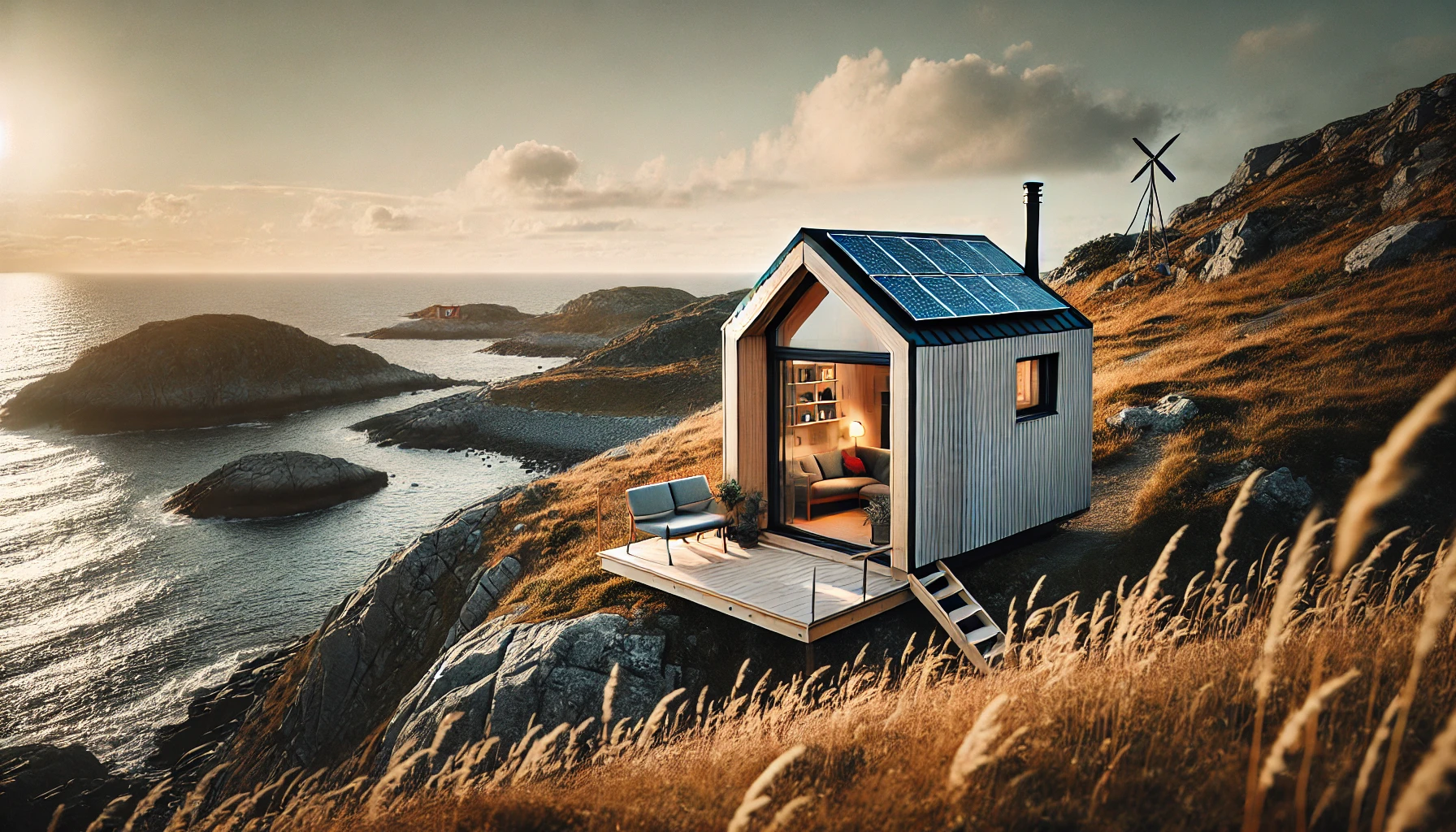
Illustrative Example 1: A Family Route to Off-Grid Living in Wales
Imagine a family of four who want a simpler, more sustainable life in rural Wales. Their biggest hurdle is not finding land but their credit score, after years of medical bills and inconsistent income. A traditional mortgage is unlikely, so they might look at peer-to-peer lending platforms, vendor financing (where the seller agrees payment terms) and a barter agreement that swaps labour for building materials from a local supplier. Each route carries real risks, including interest rates, fees and the need for a properly drafted legal agreement, so a solicitor should review them.
A small green energy loan could then help fund solar panels and a rainwater collection system, with the home built up gradually over time. Nothing here is a guarantee of approval or of the outcome; it is one way the pieces could fit together.
Illustrative Example 2: A Solo Builder’s Route to Off-Grid Independence
Now imagine a solo builder in the Scottish Highlands whose credit score has been dragged down by late payments during a difficult period. A traditional loan is not on offer, so they might approach credit unions, which often have more flexible lending criteria and a community focus, for a modest loan covering a small plot and the first materials. They could also check whether any government grant for sustainable living is currently available towards a solar setup, remembering that availability and eligibility change.
Living in a temporary structure such as a yurt on the land during the build can reduce rent, but temporary structures can still need planning permission, so check with the local planning authority first. Progress may take a couple of years, but avoiding high-interest borrowing can keep the project sustainable.
What These Scenarios Suggest
The main takeaway is that a low credit score does not have to end the plan; it may just mean a different route. Whether through peer-to-peer lending, credit unions or bartering, there are ways to explore financing an off-grid home beyond traditional loans, each with its own risks and eligibility rules. Community, creativity and patience matter, and so does proper advice.
The road to off-grid living with a low credit score can have a few twists and turns. With that in mind, let’s look at the common pitfalls to avoid on the journey toward off-grid independence.
Boost Your Success: Common Pitfalls to Avoid When Financing an Off-Grid Home
Financing an off-grid home is an exciting step toward a self-sufficient lifestyle, but it’s also a journey peppered with potential pitfalls. These aren’t just bumps in the road—they can derail your plans entirely if you’re not careful. Whether you’re navigating alternative loans, credit unions, or government grants, avoiding common missteps can make all the difference. Let’s take a look at the key pitfalls to dodge when financing your off-grid home, especially when dealing with a low credit score.
Avoiding High-Interest Predatory Loans
When your credit score is on the lower side, it’s easy to feel like your options are limited—and that’s exactly what predatory lenders count on. They often target people with poor credit, offering loans with sky-high interest rates that can quickly spiral into unmanageable debt. These so-called “solutions” can turn your off-grid dream into a financial nightmare.
1. Recognize Red Flags: If a lender promises “guaranteed approval” without looking at your financial details, alarm bells should start ringing. Predatory loans often come with hidden fees and steep penalties for early repayment, trapping you in a cycle of debt. Stick to reputable sources, such as credit unions, peer-to-peer lending platforms, or government-backed loan programs.
2. Compare Multiple Offers: Don’t jump at the first loan offer that comes your way, even if it seems convenient. Take time to compare multiple offers, especially if you have a low credit score. Look at the total cost of the loan, including interest rates, fees, and repayment terms, to make an informed decision that won’t cost you more in the long run.
Underestimating Costs: Build Realistic Timelines and Budgets
Building an off-grid home is no small feat, and underestimating costs is one of the most common mistakes. From sourcing sustainable materials to setting up renewable energy systems, expenses can add up quickly—and if your budget isn’t airtight, you might find yourself scrambling for extra funds halfway through the project.
1. Plan for Overages: Even the best-laid plans can run over budget, especially in off-grid projects where custom solutions are often needed. To avoid running out of funds mid-build, plan for at least a 10-20% buffer in your budget to cover unexpected costs.
2. Stick to a Detailed Timeline: A detailed construction timeline is just as important as your budget. Factor in seasonal considerations (like weather) and realistic time frames for each phase of the build. Keep in mind that delays are common in building projects, especially in remote areas. Plan for potential delays so you’re not caught off guard when things inevitably take longer than expected.
Overextending Your Finances: Know Your Limits
With the excitement of designing your off-grid home, it’s easy to get carried away and overspend. However, overextending your finances can quickly lead to debt, particularly if you’re already navigating the challenges of a low credit score. Being realistic about what you can afford—and sticking to it—is essential.
1. Focus on Necessities First: It’s tempting to go all out on off-grid technology, but focus on the basics first—shelter, power, and water. Fancy gadgets and aesthetic upgrades can come later once your financial situation stabilizes. Prioritizing core infrastructure will help ensure you don’t run out of money before your home is livable.
2. Avoid Multiple High-Risk Loans: Taking out multiple loans to cover your off-grid build might seem like a quick fix, but it’s a slippery slope. Juggling several loans at once can easily lead to financial strain, particularly if you’re hit with high interest rates. Instead, aim for a single, manageable loan that covers your most immediate needs.
Neglecting to Consider Future Costs
While building an off-grid home is a significant investment, the costs don’t end once the house is built. Future expenses—like maintenance, repairs, and even taxes—can sneak up on you if you don’t plan ahead. Failing to factor in these ongoing costs can lead to financial strain down the road.
1. Plan for Maintenance: Off-grid systems like solar panels, wind turbines, and water filtration units require regular maintenance to keep them running smoothly. Be sure to allocate funds for the upkeep of these systems, or you might find yourself in the dark—literally—when something breaks down.
2. Consider Property Taxes and Permits: Even if you’re living off the grid, local governments will still expect you to pay property taxes, and depending on your location, you may need to secure permits for certain aspects of your build. Ignoring these costs could land you in legal trouble or saddle you with hefty fines. Check local regulations early in the process to avoid surprises.
Taking Shortcuts on Quality
Off-grid living is all about sustainability, but cutting corners on quality can lead to more significant issues down the line. Cheaper materials or poorly installed systems might save you money upfront, but they could cost you far more in repairs, replacements, and inefficiencies over time.
1. Invest in Durable, Sustainable Materials: While it might be tempting to go for the least expensive option, think long-term. High-quality, sustainable materials will pay off by lasting longer and requiring less maintenance. Your off-grid home is a long-term investment, and quality matters more than quick savings.
2. Hire Experienced Contractors: If you’re not building everything yourself, be selective about who you hire. Off-grid construction requires specialized knowledge, especially when it comes to installing renewable energy systems. Hiring someone who cuts corners could lead to costly fixes later, so invest in contractors who have the right experience and skills.
Dodging these common pitfalls will give you a leg up in your off-grid home financing journey, whether you’re dealing with a low credit score or not. Making smart decisions at every stage—budgeting carefully, avoiding predatory loans, and investing in quality—will help you create the sustainable, debt-free lifestyle you’ve been dreaming of. Now that you know what to avoid, let’s move forward with confidence as you build the off-grid home that’s right for you.
Answering the Top Questions About Financing an Off-Grid Home with Low Credit
When it comes to financing an off-grid home with a low credit score, many people are full of questions—and understandably so. The process can feel complex, and with so many variables at play, it’s easy to feel overwhelmed. In this section, we’ll tackle the most common questions to help clarify your path forward and set you up for success in building your off-grid dream home, even if your credit isn’t sparkling.
Can I Get a Mortgage for an Off-Grid Home with a Low Credit Score?
The short answer: It’s possible, but it’s complicated. Traditional mortgage lenders often shy away from offering loans to people with low credit scores, especially when it comes to unconventional builds like off-grid homes. However, all is not lost!
1. Explore Credit Unions: Credit unions are often more flexible than traditional banks, especially for unique projects like off-grid homes. Many offer special loans for eco-friendly builds and are more willing to work with applicants who have lower credit scores.
2. Look Into Government Programs: There are various government-backed programs in the UK that support sustainable housing projects. These programs often have more lenient credit requirements and may offer grants or low-interest loans aimed at making off-grid living more accessible.
3. Consider Alternative Financing: If you hit roadblocks with traditional mortgage lenders, try peer-to-peer lending or green energy loans, which can be more accommodating to people with low credit.
Are There No-Credit-Check Loan Options for Building an Off-Grid Home?
No-credit-check loans do exist, but they come with significant caveats. While these loans can be appealing for individuals with poor credit, they often carry high interest rates and short repayment terms, which can create financial strain in the long run.
1. Consider Carefully: Before jumping into a no-credit-check loan, weigh the pros and cons. The convenience of bypassing a credit check might be outweighed by the high cost of repaying the loan.
2. Explore Alternatives: If you’re tempted by no-credit-check loans, first explore other options like vendor financing or borrowing from family or friends. These might come with more flexible terms and significantly lower interest rates.
What Grants or Financial Assistance Programs Are Available for Off-Grid Homes?
In the UK, there are several grants and financial assistance programs aimed at promoting sustainable, eco-friendly living. These programs can provide financial relief, especially if you have a low credit score.
1. Eco-Friendly Grants: Look into grants that promote renewable energy installations, such as the Domestic Renewable Heat Incentive (RHI) or the Green Homes Grant (if it’s still available). These can cover part of the costs of installing solar panels, wind turbines, or energy-efficient heating systems, which are crucial for off-grid living.
2. Local Authority Programs: Certain local councils may offer financial assistance for sustainable building projects. Reach out to your local authorities to see if they have any initiatives in place.
3. Community Energy Programs: Some areas have community energy programs that support off-grid or sustainable builds. These programs often involve shared resources or community-driven funding solutions, so research your local region for opportunities.
How Can I Improve My Chances of Getting Financing with a Low Credit Score?
Improving your chances of securing financing starts with understanding what lenders are looking for and demonstrating that you can be a responsible borrower, even with a low credit score.
1. Provide Detailed Plans: Lenders want to see that you’re serious and well-prepared. Present a detailed plan for your off-grid home, including projected costs, construction timelines, and a plan for generating income or savings that can help you pay off your loan.
2. Save for a Larger Down Payment: The bigger your down payment, the less risky you look to lenders. Saving for a larger down payment can also help you negotiate better interest rates, even with a low credit score.
3. Improve Your Credit: While you’re planning your off-grid home, work on boosting your credit score. Pay down debts, avoid opening new lines of credit, and ensure all payments are made on time. Every point counts when you’re applying for financing.
Can I Build an Off-Grid Home Without a Loan?
Building without a loan may be possible for some people, but it depends on land, planning, build scope, available savings, income and the ability to absorb unexpected costs.
1. Bartering and Vendor Financing: Some builders and suppliers may offer vendor financing, which allows you to make payments over time directly to them, bypassing traditional lenders. Bartering your skills in exchange for building materials or labor is another route some off-gridders have successfully taken.
2. Pay-as-You-Go: If you have some savings but not enough to cover the full cost of building an off-grid home, you might adopt a “pay-as-you-go” strategy. Build in phases as funds become available, avoiding the need for any kind of financing. It’s slower, but it can be a viable option for those with a strong commitment to financial independence.
How Can I Find Lenders Willing to Finance Off-Grid Homes?
Finding lenders who are familiar with off-grid homes—and willing to finance them—can be a challenge. Traditional banks may not always understand the nuances of off-grid living, but there are ways to connect with the right financing options.
1. Seek Lenders Specializing in Sustainable Living: Some lenders specialize in eco-friendly or sustainable building projects. Look for those with experience in off-grid financing, as they are more likely to understand and support your vision.
2. Check Peer-to-Peer Platforms: Peer-to-peer lending platforms are a great resource for finding more flexible lenders. These platforms allow you to connect directly with individual investors who may be more open to unconventional projects.
3. Join Off-Grid Communities: Connect with others who have gone through the process of financing an off-grid home. Online forums and social media groups dedicated to off-grid living often have valuable recommendations for trusted lenders and financial resources.
These frequently asked questions address the core concerns of anyone trying to finance an off-grid home with low credit. With the right approach, a bit of research, and some strategic planning, you can overcome the credit hurdles and move one step closer to living your off-grid dream. Let’s now take a closer look at the practical steps you can take to start building, budgeting, and living off the grid with confidence.
Quick Wins for Future Off-Gridders
When you’re preparing to transition to off-grid living with a low credit score, quick wins can help you build momentum and set yourself up for long-term success. These practical, achievable steps will give you the boost you need, without requiring huge financial investments upfront. Whether you’re saving up for your off-grid home or improving your credit score, these actions are the “small victories” that will pave the way toward your self-sufficient lifestyle.
Start Cutting Utility Costs Now
Off-grid living is all about reducing your reliance on traditional utilities, so why not get a head start? By minimizing your current utility usage, you can begin to build the habits needed for sustainable off-grid life and save money to invest in your future home.
1. Switch to Renewable Energy Sources: Even if you’re not fully off-grid yet, you can lower your bills by integrating small renewable energy systems into your current setup. Consider installing solar panels or a solar water heater. These systems often come with government incentives that can help offset initial costs while reducing your monthly bills.
2. Reduce Energy Consumption: Start practicing energy-saving habits now—unplug devices when not in use, switch to LED bulbs, and adopt energy-efficient appliances. The money saved can go directly into your off-grid home savings fund.
Begin a Strict Savings Plan
Building an off-grid home requires upfront investment, especially when dealing with a low credit score that limits financing options. The faster you can build a savings cushion, the more flexibility you’ll have when it’s time to take the plunge.
1. Create a Budget with Off-Grid Living in Mind: Begin a savings plan that mimics off-grid expenses. Reduce spending on conveniences you won’t have once you’re off-grid, such as takeout or subscription services, and redirect those funds into savings for your off-grid build.
2. Automate Your Savings: Set up automatic transfers into a dedicated off-grid home savings account. Even small amounts add up over time and create a tangible, growing fund for your project.
Research and Apply for Grants and Incentives Early
Grants and government incentives can be game-changers for aspiring off-gridders, especially if your credit score makes traditional financing tough. Start researching what’s available and prepare your applications now.
1. Apply for Eco-Friendly Home Grants: As mentioned earlier, the UK offers several financial incentives for renewable energy projects, including grants for solar panels and energy-efficient upgrades. The sooner you apply, the better your chances of securing funds that can jumpstart your off-grid journey.
2. Look for Local and Community Programs: Don’t overlook local incentives or community-driven programs, which may offer additional support, whether through financial assistance or guidance from others who have successfully gone off-grid.
Build Relationships with Off-Grid Communities
There’s a wealth of knowledge and support in off-grid communities, and tapping into these resources can give you invaluable insights (and potentially some great deals on land, materials, or advice).
1. Join Online Forums and Social Media Groups: The off-grid community is vast, with online forums and groups filled with like-minded people who are eager to share tips, advice, and encouragement. Whether you’re looking for land, financing ideas, or practical know-how, these communities are an excellent resource.
2. Attend Workshops and Meetups: Many off-grid communities hold workshops, meetups, or local events. These gatherings are a great way to build connections, learn from experts, and even get hands-on experience before you begin your project.
Improve Your Credit Score with Simple Steps
A few key moves can quickly give your credit score the boost it needs, opening up more financing options when the time comes to build your off-grid home.
1. Tackle Your Debt Strategically: If you’re carrying any high-interest debt, work on paying it down as quickly as possible. Focus on debts with the highest interest rates first, as they’re the most expensive to maintain.
2. Avoid Opening New Lines of Credit: Resist the temptation to open new credit lines while preparing for your off-grid project. Each hard inquiry on your credit report can lower your score, and new debt could make lenders wary.
3. Keep Your Old Accounts Open: Keeping older credit accounts open, especially those with a solid payment history, can help improve your credit score by extending your credit history and lowering your utilization rate.
These quick wins are all about progress, no matter how small. With each step, you’ll build financial resilience, grow your off-grid knowledge, and lay the groundwork for a successful transition to off-grid living. By focusing on manageable actions today, you’re setting yourself up for a more seamless—and financially sound—off-grid future.
Conclusion: A Future of Freedom and Self-Sufficiency
Building an off-grid home with a low credit score isn’t just a dream—it’s a real, achievable future. While the path may be more winding than for those with pristine credit, your journey to self-sufficiency is all about persistence, resourcefulness, and embracing alternative strategies. Financing an off-grid home when your credit score isn’t perfect can feel daunting, but with the right mindset and the tips outlined in this guide, you’re equipped to overcome those obstacles.
The key lies in knowing your options: from exploring peer-to-peer lending and credit unions to applying for government grants aimed at sustainable living. Understanding how to balance interest rates and repayment terms, improving your credit score while planning, and avoiding common financial pitfalls will set you up for success. Your off-grid future is within reach—you’ve just got to take that first step.
The freedom and independence that come with off-grid living aren’t just about powering your home with solar panels or growing your own food. It’s about reclaiming control over your life, finances, and future. It’s about proving to yourself that even with a low credit score, you can live in harmony with nature while enjoying financial security and a debt-free lifestyle.
As you move forward on your off-grid journey, keep these principles close: resilience, creativity, and resourcefulness. These qualities will not only help you secure the right financing but will also serve as the bedrock of your future off-grid life. So whether you’re bartering for building materials, harnessing renewable energy, or making that final loan payment, remember that you’re not just building a home—you’re building a life of true freedom and self-sufficiency.
Use the Off-Grid Budget & Cost Planner to turn the ideas in this guide into a practical working plan.
View the Off-Grid Budget & Cost Planner
